Guest Post Backlinks Stop Working After 8-12 Months
You built an impressive guest posting backlink strategy. Your content landed on high-authority sites. The domain authority scores looked perfect. Your rankings climbed for months.
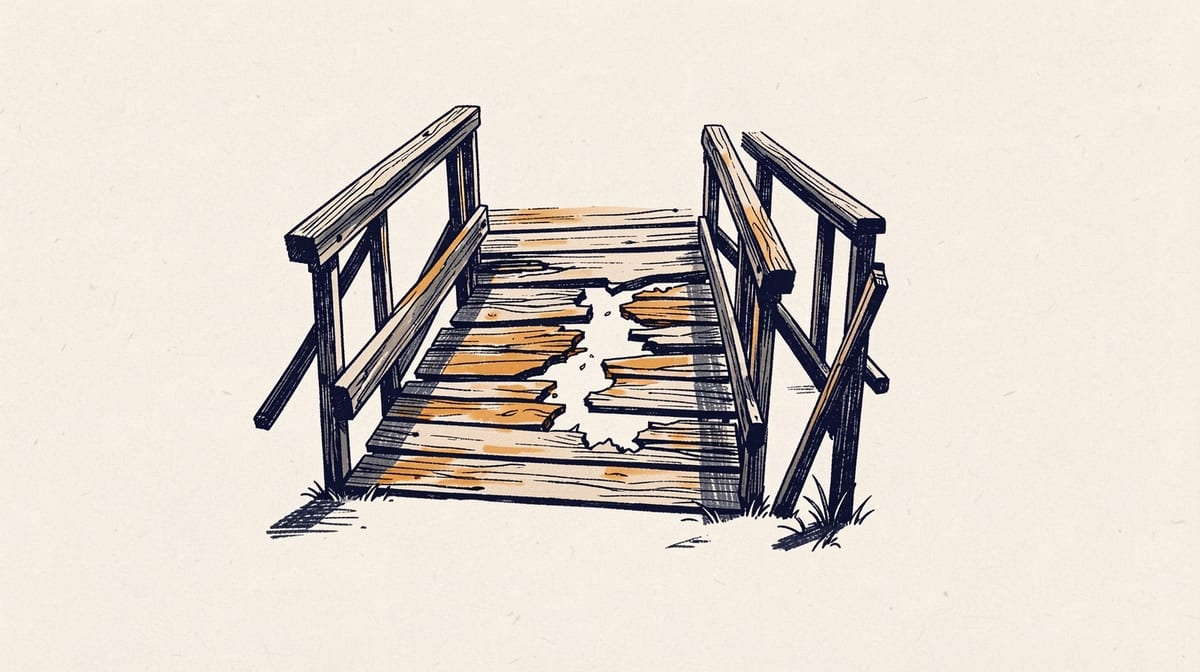
You built an impressive guest posting backlink strategy. Your content landed on high-authority sites. The domain authority scores looked perfect. Your rankings climbed for months.
Then something changed. Traffic plateaued. Rankings started slipping. Those powerful backlinks you worked so hard to earn? They're not pulling their weight anymore.
This isn't random bad luck. It's authority decay, and it happens to most guest post campaigns between 8-12 months. The backlinks are still there, but they've lost their ranking power. Understanding why this happens and how to detect it early can save your SEO strategy from collapse.
The 8-12 Month Guest Post Backlink Decay Cycle
Authority decay follows a predictable timeline. Fresh guest post backlinks deliver their strongest SEO impact in months 1-6. Search engines treat new, relevant backlinks as strong ranking signals during this honeymoon period.
The decline begins around month 8. Several factors converge to reduce backlink effectiveness. The host site's content freshness algorithms start treating your guest post as older content. Link equity begins distributing differently across the site's internal structure.
By month 12, many guest post backlinks operate at 30-50% of their original ranking power. This isn't speculation. It's a pattern observed across thousands of guest posting campaigns in competitive niches.
The decay isn't uniform. Some backlinks maintain strength longer. Others lose impact faster. The key is identifying which backlinks are failing before they drag down your overall rankings.
Why High-Authority Backlinks Lose Ranking Power Over Time
Search engines constantly reevaluate link value. A backlink's strength depends on multiple dynamic factors, not just the host site's domain authority.
Content freshness plays a major role. Search algorithms favor recent, updated content. Your guest post competes with newer articles on the same host site. As publishing sites add fresh content, older guest posts get buried deeper in site architecture.
Internal linking patterns shift over time. Host sites reorganize navigation, update internal link structures, and change content priorities. Your guest post may lose valuable internal links that originally boosted its authority.
Algorithm updates affect backlink evaluation. Google's core updates frequently adjust how link equity flows between sites. A backlink that passed strong signals in January might carry less weight after a major algorithm refresh.
Publisher site quality can decline. The high-authority site that accepted your guest post might experience its own SEO problems. Algorithm penalties, technical issues, or content quality drops on the host site directly impact your backlink's value.
Competitive link velocity matters too. If competitors flood the same niche with fresh backlinks, your older guest post links lose relative strength. SEO is comparative. Standing still means falling behind.
Link Rot vs. Authority Decay: Understanding the Critical Difference
Link rot and authority decay are different problems requiring different solutions. Link rot is mechanical failure. Authority decay is algorithmic devaluation.
Link rot happens when backlinks break completely. The host site removes your guest post. Domain changes eliminate the linking page. Redirects fail, creating 404 errors. These are binary problems with clear fixes.
Authority decay is subtler. The backlink still exists and functions. It passes some link equity. But its ranking power has diminished significantly. The link works technically but fails strategically.
Most SEO audits catch link rot easily. Broken link checkers identify 404 errors and redirect chains. Authority decay requires deeper analysis. You need to track ranking correlations, traffic patterns, and competitive positioning over time.
The distinction matters for your guest posting backlink strategy. Link rot demands immediate technical fixes. Authority decay requires strategic portfolio management and proactive refresh campaigns.
Building Your Guest Post Backlink Audit Framework
Effective authority decay detection requires systematic monitoring. Random spot checks miss declining backlinks until damage accumulates.
Start with baseline metrics. Document each guest post's initial impact on target keyword rankings. Track referring domain authority, page authority, and link placement quality. Record traffic increases and conversion improvements tied to specific backlinks.
Set up automated monitoring for technical health. Use tools like Ahrefs, SEMrush, or Majestic to track backlink status monthly. Monitor for redirect chains, page speed changes, and hosting site technical problems.
Create performance correlation tracking. Connect ranking changes to specific guest post backlinks. When target keywords drop, identify which supporting backlinks might be losing strength. Look for patterns across multiple campaigns.
Establish competitive benchmarking. Track how competitors' newer guest posts perform against your older ones. Monitor niche-specific link velocity and authority distribution changes.
Document host site health indicators. Track the publishing site's overall SEO performance, content freshness, and algorithm penalty history. Declining host sites drag down guest post backlink value faster.
Red Flags That Indicate Your Guest Post Links Are Losing Value
Several warning signs indicate authority decay before rankings collapse completely. Recognizing these signals early enables proactive intervention.
Declining click-through rates from guest post backlinks suggest reduced visibility. If the host site's internal linking structure changes, your guest post gets less prominent placement. Traffic drops even when the backlink remains technically functional.
Target keyword ranking stagnation often correlates with aging backlinks. When rankings plateau despite ongoing SEO efforts, older guest post backlinks may be contributing less link equity than expected.
Reduced social sharing and engagement on guest posts indicates declining content relevance. Host sites prioritize fresh, engaging content in their promotion cycles. Older guest posts lose internal visibility and link strength.
Host site algorithm penalties create immediate backlink devaluation. Monitor target sites for traffic drops, ranking losses, or manual penalties. These problems directly impact your guest post's link equity.
Competitive analysis reveals relative weakness. If competitors consistently outrank you with newer, similar backlink profiles, your older guest posts may be underperforming.
Anchor text diversity problems emerge over time. If most backlinks use identical anchor text, algorithm updates may devalue the entire link cluster for over-optimization.
Monitoring Tools and Metrics for Detecting Backlink Degradation
Professional backlink monitoring requires the right tools and systematic processes. Manual tracking becomes impossible at scale.
Ahrefs provides comprehensive backlink health monitoring. Track referring domains, anchor text distribution, and link equity flow. Set up alerts for lost backlinks, redirect changes, and host site authority fluctuations.
SEMrush offers competitive backlink analysis. Compare your guest post performance against competitors' newer campaigns. Monitor relative authority changes and niche-specific link velocity trends.
Google Search Console reveals search engine perspective on backlink value. Track which backlinks drive actual search traffic. Declining organic clicks from specific referring domains indicate reduced link strength.
Custom tracking spreadsheets help correlate backlinks with ranking performance. Document each guest post's target keywords, initial ranking boost, and ongoing performance metrics. Update monthly to identify decay patterns.
Screaming Frog can audit technical backlink health at scale. Identify redirect chains, page speed issues, and hosting problems that reduce link equity transfer.
Rank tracking tools like AccuRanker or SERPWatcher connect ranking changes to specific backlink campaigns. When target keywords drop, investigate which supporting backlinks might be losing strength.
| Tool | Primary Function | Key Metrics | Update Frequency |
|---|---|---|---|
| Ahrefs | Backlink monitoring | Domain Rating, URL Rating, referring domains | Daily |
| SEMrush | Competitive analysis | Authority Score, toxic score, anchor text | Weekly |
| Google Search Console | Search traffic analysis | Clicks, impressions, referring pages | Daily |
| Screaming Frog | Technical audit | Response codes, redirect chains, page speed | Monthly |
| Custom spreadsheet | Performance correlation | Rankings, traffic, conversions | Weekly |
Preventative Strategies: Maintaining Guest Post Backlink Equity Long-Term
Proactive maintenance prevents authority decay better than reactive fixes. Build sustainability into your guest posting backlink strategy from the beginning.
Diversify your backlink timeline. Don't concentrate all guest posting efforts in short bursts. Spread campaigns across 12-18 months to create overlapping strength cycles. As older backlinks decay, newer ones maintain overall link equity.
Maintain relationships with host site editors. Regular communication keeps your content visible in their editorial calendars. Request occasional internal link additions or content updates to refresh your guest posts.
Create evergreen content that stays relevant longer. Avoid time-sensitive topics that become outdated quickly. Focus on fundamental industry concepts that maintain search value over years, not months.
Build supporting content ecosystems. Don't rely on single guest posts for keyword targeting. Create multiple supporting articles across different host sites. If one backlink loses strength, others compensate.
Monitor and refresh anchor text distribution. Avoid over-optimization that triggers algorithmic devaluation. Vary anchor text across campaigns and update older backlinks when possible.
Implement strategic internal linking. Connect guest posts to your most important target pages through diverse link paths. Create multiple routes for link equity to flow, reducing dependence on any single backlink.
Recovery Tactics When Your Guest Post Rankings Start Collapsing
When authority decay causes ranking drops, quick intervention can prevent complete collapse. The key is identifying root causes before implementing solutions.
Audit declining backlinks systematically. Use rank tracking data to identify which keywords dropped first. Trace those keywords to their primary supporting guest post backlinks. Test correlation by temporarily disavowing suspected weak links.
Refresh aging guest posts with content updates. Contact host site editors about updating publication dates, adding new information, or improving internal linking. Many sites welcome content improvements that boost their own SEO performance.
Launch supplementary guest posting campaigns. Target the same keywords with fresh backlinks on different host sites. New, relevant backlinks can compensate for declining older ones while you work on recovery.
Diversify your off-page SEO authority decay strategy beyond guest posting. Build brand mentions, earn editorial links, and develop digital PR campaigns. Reduce dependence on guest post backlinks alone.
Consider strategic link reclamation. If host sites removed or buried your guest posts, negotiate republication or improved placement. Offer updated content or additional value in exchange for better visibility.
Implement defensive link building. Create high-quality content assets that naturally attract backlinks over time. Infographics, research studies, and tools generate ongoing link equity without active outreach.
Advanced Guest Post Performance Monitoring Techniques
Sophisticated monitoring reveals authority decay patterns before they impact rankings significantly. These techniques separate professional SEO strategies from amateur approaches.
Cohort analysis tracks guest post performance by publication date. Group backlinks into monthly cohorts and monitor their collective ranking impact over time. This reveals your specific authority decay timeline.
Link equity flow mapping visualizes how authority moves through your backlink network. Identify which guest posts serve as primary ranking drivers versus supporting signals. Focus maintenance efforts on high-impact backlinks.
Competitive link velocity analysis compares your guest posting pace against successful competitors. If rivals publish 10 guest posts monthly while you publish 2, your older backlinks face faster relative devaluation.
Seasonal performance tracking accounts for industry-specific ranking fluctuations. Some niches experience predictable authority cycles. Understanding these patterns prevents mistaking seasonal changes for permanent decay.
Cross-platform correlation analysis connects guest post backlinks to broader marketing metrics. Track how backlink strength correlates with social media engagement, email list growth, and conversion rates.
Host site quality scoring creates early warning systems. Monitor target publication sites for technical problems, content quality decline, or algorithm penalties. Proactively diversify away from declining hosts.
Future-Proofing Your Guest Posting Strategy Against Authority Decay
Long-term SEO success requires guest posting backlink strategy evolution. Static approaches fail as search algorithms and competitive landscapes change.
Build relationships, not just backlinks. Focus on developing ongoing partnerships with key publishers in your niche. Strong relationships enable content refreshes, improved placement, and priority consideration for future opportunities.
Create content series rather than one-off guest posts. Multi-part content generates multiple backlinks while establishing deeper authority on target topics. Series content maintains relevance longer than isolated articles.
Develop proprietary data and research assets. Original studies, surveys, and industry reports generate natural backlinks over time. These assets appreciate rather than depreciate, creating compound SEO value.
Implement dynamic anchor text strategies. Rotate anchor text variations across campaigns and time periods. This prevents over-optimization while maintaining keyword relevance as algorithms evolve.
Build multi-tier link support systems. Don't rely solely on direct guest post backlinks. Create supporting content that earns secondary backlinks to your guest posts, amplifying their authority.
Monitor emerging publication opportunities. Stay ahead of new high-authority sites entering your niche. Early adoption of new platforms often provides stronger, longer-lasting backlinks than established sites with saturated guest content.
FAQ
Q: How quickly do guest post backlinks start losing SEO value?A: Most guest post backlinks maintain peak effectiveness for 6-8 months, then begin gradual decline. Significant authority decay typically occurs between months 8-12, though some high-quality backlinks maintain strength longer.
Q: Can you recover SEO value from aging guest post backlinks?A: Yes, through content updates, improved internal linking, and relationship maintenance with host sites. However, prevention through diversified campaigns and ongoing monitoring proves more effective than recovery efforts.
Q: What's the difference between link rot and authority decay in guest posting?A: Link rot involves technical failures like 404 errors or removed pages. Authority decay occurs when backlinks function technically but lose ranking power due to algorithmic changes, content aging, or competitive factors.
Q: How often should you audit your guest posting backlink portfolio?A: Monthly technical audits catch link rot quickly. Quarterly performance audits identify authority decay patterns. Annual strategic reviews ensure your overall approach adapts to algorithm changes and competitive shifts.
Q: Do all guest post backlinks experience the same decay timeline?A: No. Evergreen content on high-authority sites with strong internal linking maintains value longer. Time-sensitive content on declining sites loses authority faster. Content quality, host site health, and competitive factors create significant variation.
Key Takeaways
- Monitor proactively, not reactively: Set up systematic tracking for both technical backlink health and performance correlation metrics. Authority decay is predictable and preventable with proper monitoring systems.
- Diversify your timeline and sources: Spread guest posting campaigns across 12-18 months and multiple host sites. This creates overlapping strength cycles that maintain overall link equity as individual backlinks age.
- Build relationships for long-term maintenance: Focus on developing ongoing partnerships with key publishers. Strong relationships enable content refreshes, improved placement, and sustained backlink value beyond the typical 8-12 month decay period.
Sources
Researched from the following. Figures and claims were current when this piece was written and may have moved since.
- Guest Post Link Building: How to Set Up Indirect Link Exchangesrespona.com
- Link Building Magic: Mastering Backlinks and Guest Postingcreativindie.com
- 5 Ways To Earn Quality Guest Post Backlinks in 2025loganix.com
- Guest Blogging: The Definitive Guide for 2026backlinko.com
- Guest Blogging in SEO, Backlinks and Traffic from Guest Postsmarketmymarket.com
- Link Building Case Study: How We Landed 55 Guest Postsrespona.com
- How Guest Posts Help Build Backlinksredheaddigital.agency
Comments